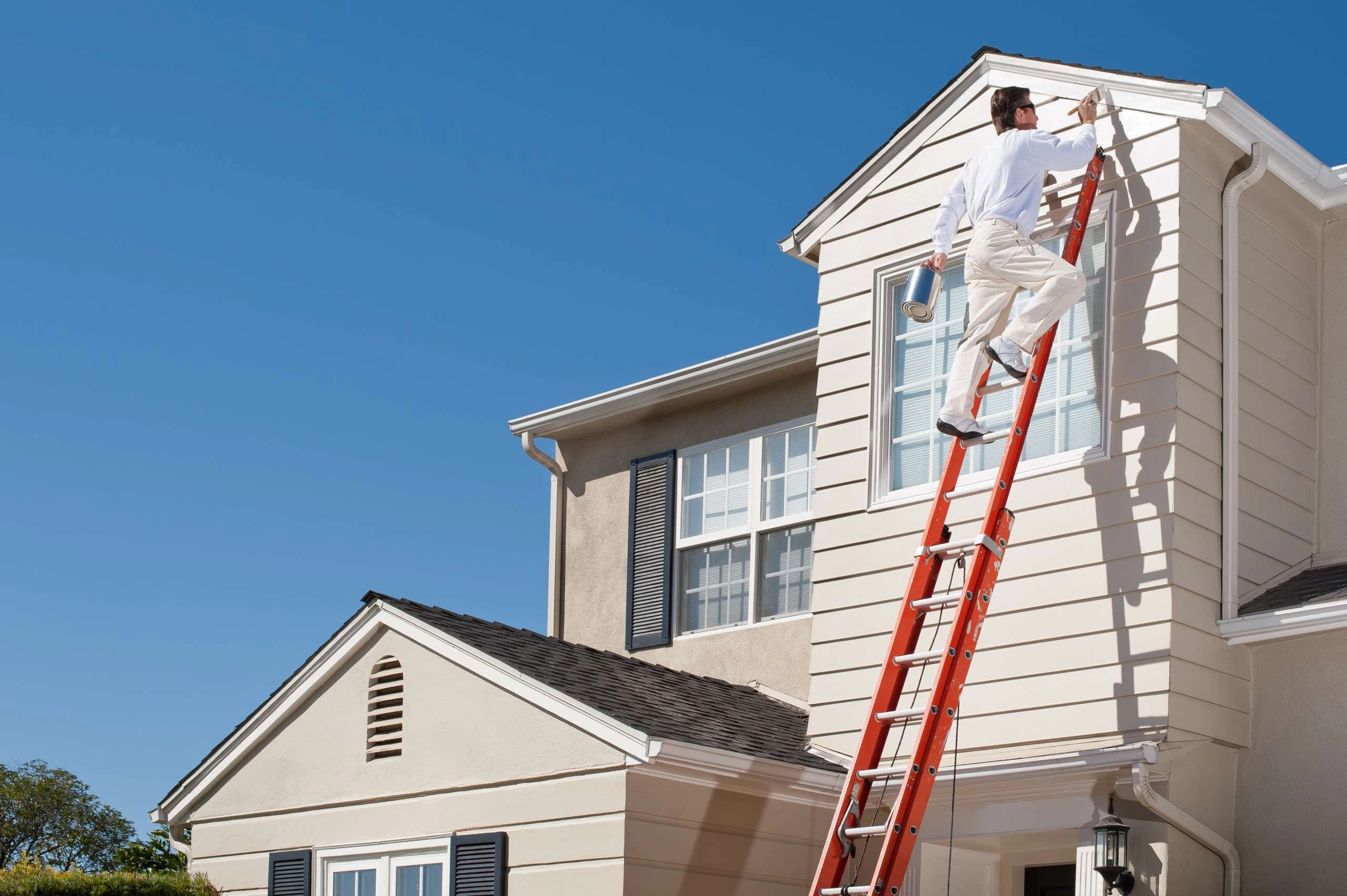
Your home’s exterior paint protects your investment from weather damage while defining curb appeal. Paint isn’t just cosmetic. It’s a crucial protective barrier against moisture, insects, and UV radiation. Recognizing when exterior painting in Chattanooga is necessary helps prevent costly structural damage.
Many homeowners wait too long to repaint, allowing minor issues to become major problems. Understanding warning signs helps you schedule painting before damage occurs. Here are six clear indicators that your home needs professional exterior painting.
Visible Paint Failure Signals Urgent Need
Peeling Paint Exposes Vulnerable Surfaces
When paint peels away from siding, it leaves bare wood or substrate exposed to the elements. Moisture penetrates these exposed areas, causing rot, mold, and structural damage. Peeling typically starts small but spreads rapidly if ignored.
Paint peels for several reasons, including moisture intrusion, poor surface preparation, or incompatible paint layers. Exterior painters in Chattanooga, TN, identify the underlying cause before repainting. Addressing root problems prevents premature failure of new paint.
Cracking and Alligatoring Show Age
Paint cracks appear as fine lines on the surface and eventually form patterns resembling alligator skin. This occurs when paint loses flexibility due to age and sun exposure. Cracked paint can’t protect your home effectively.
Temperature fluctuations expand and contract building materials. Old, brittle paint can’t accommodate this movement and cracks. Fresh, flexible paint moves with your home, preventing moisture infiltration.
Color Changes Indicate Protection Loss
Fading Means UV Protection Is Gone
Vibrant colors fade to pale, washed-out versions over time. This fading indicates that UV radiation has degraded the paint’s protective properties. Once the color fades significantly, the paint no longer effectively shields your siding.
Different colors fade at different rates. Reds and yellows fade faster than earth tones and neutrals. Regardless of color, significant fading indicates it’s time for fresh paint.
Chalking Leaves Powdery Residue
Run your hand across your home’s exterior. If you see a chalky, powdery substance on your hand, your paint is breaking down. This powdery residue is the paint binder deteriorating from weather exposure.
Some chalking is normal over time. Heavy chalking indicates severe paint degradation. An exterior painting contractor Chattanooga TN can assess whether your home needs immediate attention.
Caulk and Seal Failures Create Vulnerabilities
Gaps Around Windows and Doors Let Water In
Caulk gaps where different materials meet to prevent water infiltration. Over time, caulk shrinks, cracks, or pulls away, creating entry points for moisture. Failed caulking must be addressed before painting.
Professional painters remove all old caulk and apply fresh, flexible sealant. This critical step prevents water damage behind new paint. Skipping caulk replacement leads to early paint failure and structural damage.
Expansion Joints and Seams Open Up
Buildings naturally expand and contract with temperature changes. Expansion joints accommodate this movement. When paint and caulk in these joints fail, gaps appear allowing moisture intrusion.
These vulnerable areas require special attention during painting. Proper sealing protects your home’s envelope. Professional painters understand where these critical areas are and how to seal them properly.
Mold and Mildew Growth Indicates Problems
Black and Green Stains Spread
Mold and mildew appear as black, green, or gray discoloration on painted surfaces. They thrive in damp, shaded areas and spread rapidly. While some mildew can be cleaned, heavy growth indicates paint has lost its mildew-resistant properties.
New paint formulated with mildewcides prevents growth. Professional painters treat affected areas before painting. This ensures mildew doesn’t return and spread behind fresh paint.
Moisture Issues Require Investigation
Persistent mildew suggests moisture problems beyond paint failure. Poor drainage, leaking gutters, or inadequate ventilation create conditions for mold growth. Painting over mildew without addressing moisture sources is futile.
Professionals inspect for underlying moisture issues before painting. They recommend corrections to prevent recurring problems. This comprehensive approach protects your investment over the long term.
Wood Damage Demands Immediate Action
Soft or Rotting Wood Requires Replacement
Press siding, trim, and window frames firmly. If wood feels soft or spongy, it’s rotting. Paint can’t adhere to rotted wood and won’t prevent further deterioration. Rotted sections must be replaced before painting.
Wood rot spreads quickly once started. Early detection during paint inspection prevents extensive damage. Professional painters identify rot early and coordinate necessary repairs.
Insect Damage Creates Entry Points
Carpenter bees, termites, and other insects bore into wood creating holes and galleries. These damaged areas allow moisture entry and structural weakness. Paint seals these entry points but damaged wood still needs treatment or replacement.
Painters should identify and report insect damage before painting. Addressing pest problems prevents continued damage beneath fresh paint. Combining painting with pest treatment protects your home comprehensively.
Time and Previous Paint Job Quality
Age Alone Necessitates Repainting
Most exterior paint jobs last seven to ten years, depending on climate and paint quality. If your home hasn’t been painted in over a decade, it’s overdue. Waiting longer only increases risk of damage.
Chattanooga’s humid climate with temperature extremes is tough on exterior paint. Homes here may need painting more frequently thanthe national averages. Regular painting helps prevent damage and maintain property value.
Poor Previous Work Fails Early
Low-quality paint, inadequate surface preparation, or incorrect application techniques cause premature failure. If your home was painted recently but already shows problems, the previous work was substandard. Correcting these issues requires complete removal and proper repainting.
Professional contractors identify shortcuts taken during previous paint jobs. They correct these issues ensuring your new paint job lasts its full expected lifespan. Quality work costs more initially but provides better long-term value.
Don’t wait for minor paint issues to become major structural problems. Contact Mike Jarvis Painting for professional exterior painting services that protect your home and enhance curb appeal.
FAQs
How often should you paint a house exterior in Chattanooga?
Homes in Chattanooga typically need exterior painting every 7-10 years due to humidity and temperature fluctuations. Wood siding may require painting every 5-7 years, while fiber cement and brick last longer between paint jobs.
What is the best time of year to paint house exterior in Chattanooga?
Late spring through early fall (April-October) offers optimal painting conditions with moderate temperatures and lower humidity. Avoid painting when temperatures drop below 50°F or during Chattanooga’s wettest months.
How much does exterior house painting cost in Chattanooga?
Exterior painting in Chattanooga costs $2-$6 per square foot depending on home size, siding type, and condition. A typical 2,000 square foot home ranges from $3,500-$7,500 including preparation and materials.
Can you paint over peeling paint?
No, peeling paint must be completely scraped and removed before repainting or new paint will fail quickly. Proper surface preparation including scraping, sanding, and priming is essential for long-lasting results.
What type of paint is best for exterior wood siding?
100% acrylic latex paint offers the best durability, flexibility, and weather resistance for exterior wood siding. Quality exterior paint with mildewcides and UV protection extends paint life in humid climates like Chattanooga.