Dirt You Do Not Notice Is Still Doing Damage
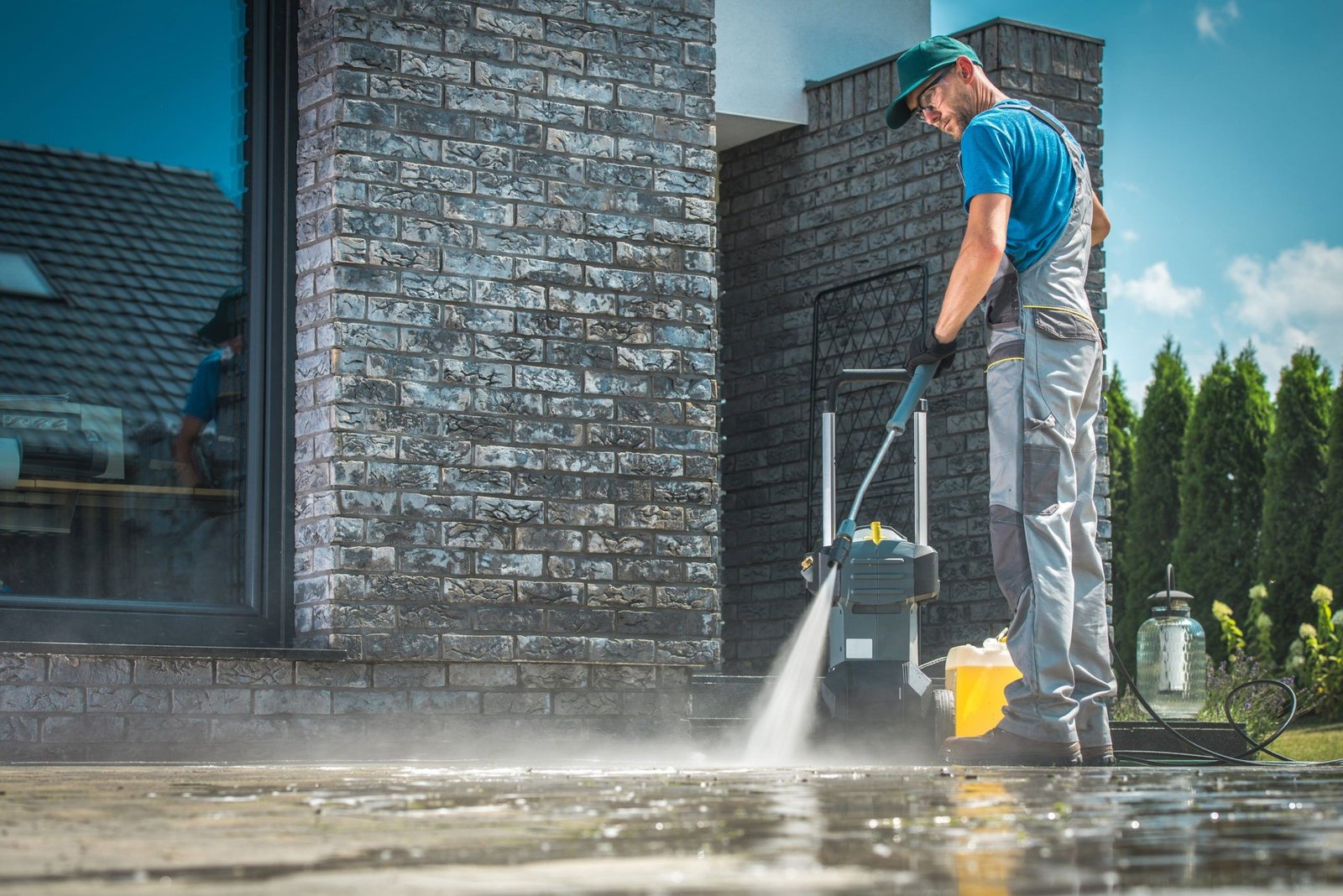
A pressure washing service in Chattanooga TN does more than make things look clean. Regular washing removes mold, mildew, algae, and built-up grime that slowly degrade exterior surfaces if left untreated.
Driveways, siding, decks, walkways, and fences all collect dirt over time. Some of it is visible. Some of it is not. Either way, it wears on the materials underneath.
Where Pressure Washing Makes the Biggest Difference
Concrete driveways and sidewalks are probably the most noticeable. Oil stains, tire marks, and weather staining build up fast. A thorough cleaning brings back color and texture that has been buried under years of grime.
Siding is another area where washing pays off. Mildew on vinyl or wood siding does not just look bad. It can work its way into paint and cause peeling if it is not cleaned off regularly.
Chattanooga Pressure Washing Service Before Any Paint Job
A Chattanooga pressure washing service is almost always the first step before any exterior paint project. Paint applied over a dirty surface does not bond properly. Washing removes the layer of contaminants that would otherwise sit between the old surface and the new paint.
This is especially true for homes with mildew or chalking on the existing paint. Skipping the wash is one of the most common reasons exterior paint fails early.
Hot Water vs. Cold Water Washing
Cold water pressure washing handles most residential cleaning jobs well. Hot water systems are better suited for heavy grease or oil deposits, which are more common on commercial properties.
For standard home exteriors, driveways, and decks, cold water at the right pressure and with the right detergent does the job. The pressure setting and nozzle choice matter more than the water temperature for most residential work.
How Often Should You Pressure Wash?
Most homes benefit from exterior washing every one to two years. Homes with heavy tree cover, shaded north-facing walls, or near areas with a lot of vehicle traffic may need it more often.
Driveways and walkways in heavy use areas may need annual attention. A quick look each spring will tell you when it is time.
Protecting Plants and Surfaces During the Wash
Detergents used in pressure washing can damage plants if they are not rinsed off quickly. Wetting nearby vegetation before washing and rinsing it again after protects most plants from any runoff.
Soft washing, which uses lower pressure and more cleaning solution, is gentler on delicate surfaces like painted wood, stucco, and older brick. Knowing when to dial back the pressure is part of doing the job right.
FAQs
Can pressure washing damage my siding?
High pressure aimed directly at seams or gaps in siding can force water behind it. Using the right nozzle and keeping the wand moving prevents most damage. Vinyl and fiber cement siding should always be washed with the grain, never against it.
How long after pressure washing can you paint?
Most surfaces need at least 24 to 48 hours of drying time before paint is applied. In humid weather or if the wood is thick, waiting 72 hours or more is safer. Painting over damp surfaces is one of the leading causes of early paint failure.